retirement
Don't Retire to Thailand Until You Know These 10 Things
The things that decide whether the move works — none of which are about the beach.
Published 10 February 2026 · Last updated 1 August 2026
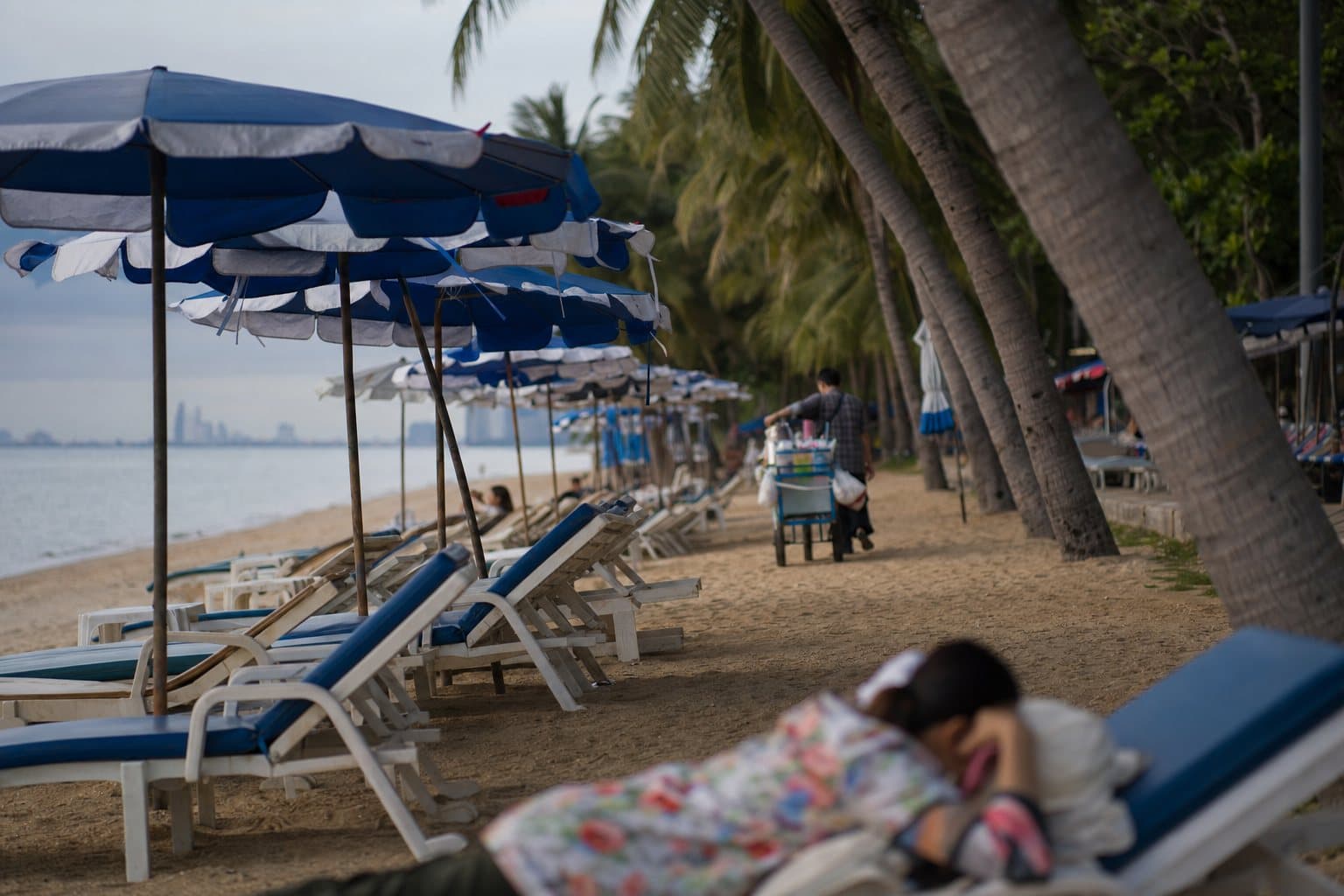
Almost everyone who moves to Thailand and regrets it made the same handful of mistakes, and almost all of them are avoidable with a few months of honest preparation. None of what follows is designed to put you off. It is designed to make sure that if you go, you go with your eyes open.
1. The visa decides everything else
People plan the town, the condo and the golf club before they work out how they are legally going to stay. Do it the other way round. Your visa route determines how much money has to sit in a Thai bank account, whether you need health insurance to a set level, how often you deal with an immigration office, and whether you can do any paid work at all.
There is no single “Thailand retirement visa” that suits everyone. The annual extension route based on a Non-Immigrant O is the most common, the O-A is arranged from home but carries insurance conditions, the LTR suits higher incomes, and the DTV suits people still earning remotely. They are genuinely different products with different consequences.
2. Healthcare is the risk that actually bankrupts people
Thai private hospitals are excellent, fast and comfortable. They are also businesses, and they will ask how you intend to pay before anything non-urgent happens. A serious event — a cardiac admission, a stroke, a bad motorbike accident — can produce a bill that runs well into six figures in baht very quickly.
If you are healthy and in your fifties, insurance is straightforward and reasonably priced. If you wait until you are 68 with a heart condition, it may be unaffordable or unavailable. This is the single most common expensive mistake we see discussed, and the fix costs nothing today: get quotes now, before you need them.
3. Your budget is probably 20–30% too optimistic
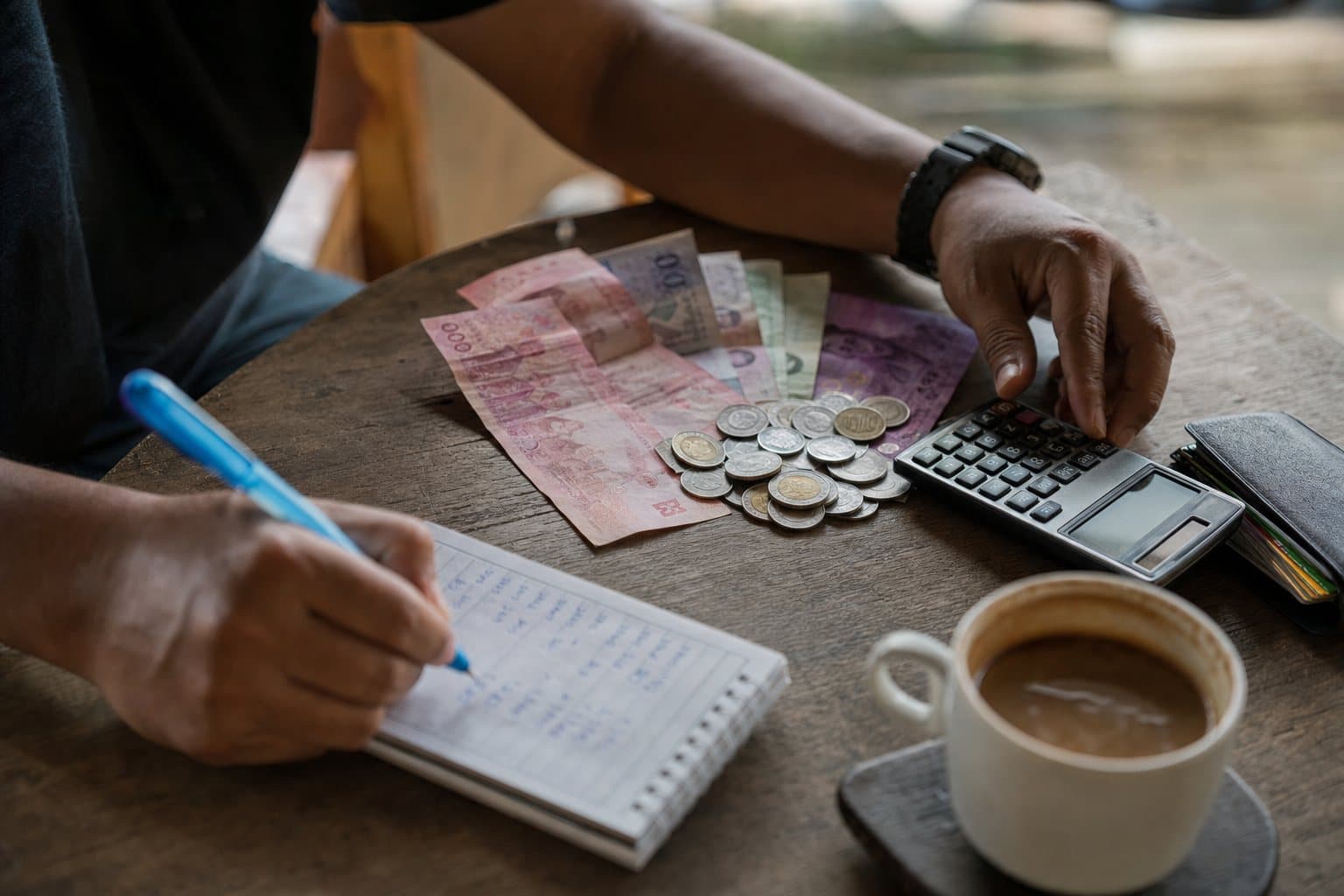
Almost every first budget we see covers rent, food and beer, and forgets everything that arrives once a year: the visa, insurance renewal, a flight home, a new laptop, the dentist, a deposit on a new condo, and the four weeks a year you spend as a tourist rather than a resident.
Then there is currency. Your income is probably in pounds or dollars and your costs are in baht. A 10% move in the exchange rate is a 10% pay cut, and it can happen in a few months. Build your budget so it still works at a rate meaningfully worse than today's.
4. Rent first. Then rent again.
The number of people who buy a condo in their first six months and want to sell it in their second year is remarkable. You do not yet know which part of town you want, which floor you want, which direction you want the balcony to face, or whether you can live with the building's management.
- Rent for at least six months in one area, then six in another if you are unsure.
- Live through a rainy season before you commit to anything.
- Remember that a Thai condo can be slow to resell, and foreign-quota units are a smaller market again.
- Renting keeps your capital liquid, which matters more as you get older, not less.
5. Do a proper test run, in the wrong season
Two weeks in January tells you very little. Thailand in February is a holiday. Thailand in the middle of the wet season, when it is 33 degrees and the humidity is punishing and the pavement is under four inches of water, is the version you are actually signing up for.
Spend a month somewhere you might live, in accommodation like the one you might rent, doing ordinary things: a supermarket shop, a doctor's appointment, a haircut, a bus to Bangkok. That month will tell you more than a year of reading.
6. Banking and admin are slower than you expect
Opening a Thai bank account can be simple or it can take three branches and a small piece of theatre, depending on your visa status, the branch manager and the day. Getting a phone number, a driving licence, an internet connection and a residence certificate all involve paperwork, and paperwork involves photocopies of things you did not think to bring.
Bring more documents than you think you need: passport copies, bank statements, proof of address at home, marriage or birth certificates, and passport photographs. It costs nothing to bring them and it costs a wasted afternoon not to.
7. The social side makes or breaks it
This is the part almost nobody plans for and the part that most often sends people home. You will arrive without the structure you had at home: no work, no old friends around the corner, no familiar routine. Some people build a new life within a month. Others spend a year in a condo watching British television.
- Have something that puts you in the same room as the same people every week — golf, a gym, a class, a bar quiz, a charity.
- Learn enough Thai to be polite. It changes how you are treated more than any other single thing.
- Accept that expat friendships turn over. People go home. Keep making new ones.
“The people who thrive are usually the ones who joined something in their first fortnight.”
8. Work out the family maths before you go
Flights home are not cheap, and you may need to take them at short notice. Grandchildren grow up quickly. Ageing parents get ill. Budget for two return flights a year even if you plan on one, and have a plan for what happens if you need to be back in Britain within 48 hours.
9. Long stays have tax consequences
Spend enough days in Thailand in a calendar year and you become tax resident there. Thailand's treatment of income brought into the country has been revised in recent years, and it interacts with your home country's rules and any double taxation agreement.
10. Have an exit plan you would be happy to use
Not because it will go wrong, but because knowing you can leave is what lets you relax and enjoy it. Keep enough money accessible outside Thailand to fly home and rent somewhere for six months. Do not sell the family home in month one. Do not put every penny into a condo.
The retirees who look happiest are almost always the ones who could go home tomorrow and simply do not want to.
Common questions
How long should I research before moving?
Most people benefit from at least six months of preparation and two visits, including one in the wet season. There is no prize for rushing, and the mistakes made in a hurry are the expensive ones.
Is it too late to move at 70?
Plenty of people move in their seventies. The two things that get harder with age are health insurance and adapting to a new social environment, so both need more planning, not less.
Do I need to speak Thai?
You can get by without it in Bangkok, Pattaya, Hua Hin, Chiang Mai and Phuket. Learning a few hundred words will still improve your daily life out of all proportion to the effort.
Sources and official information
We link to primary sources wherever one exists. Rules change — check the official page before acting on anything here.
Read next
money
How Much Money Do You Really Need to Retire in Thailand?
Realistic monthly budgets for retiring in Thailand at three different levels, with the annual costs most people forget and a currency safety margin.
10 min read · Updated 1 August 2026

healthcare
Thailand Health Insurance After 60
How expat health insurance works in Thailand for over-60s: inpatient vs outpatient, pre-existing conditions, exclusions, and why timing matters.
9 min read · Updated 1 August 2026

mistakes
The Biggest Mistakes Retirees Make in Thailand
The most expensive and most common errors made by people retiring to Thailand — from the wrong visa route to buying property too soon.
9 min read · Updated 1 August 2026
Everything in one place
The How to Retire in Thailand Playbook covers visas, money, healthcare, housing and everyday life across 45 chapters, with ten downloadable checklists and planners.
- Instant digital download
- No subscription
- Read on phone, tablet or computer